The Death of Raghu the Poddar

Preface
IN LESS THAN half a century after Thomas Roe received a trading Farman from Jahangir, the English East India Company had steadily expanded its operations and extended its influence along the East Coast — mainly in Madras, Machilipattanam and Bengal; it also had a flourishing factory in Surat. In the same interim, the Mughal Empire had witnessed the fall of two Sultans and the rise of its most bigoted monarch, who underwrote its ruin.
Every fort, every factory and every trading post that the East India Company set up was akin to an independent republic run by rules, regulations and laws designed in England. In India, the Company operated through a maze of Courts and Committees answerable only to the Directors sitting in London. Its Indian partners and employees were bound to the Company’s laws and not to those of the Mughals or other Indian kings in whose domains the EIC functioned. The EIC’s officials stationed in India were also empowered to take penal action — including torture and the death sentence — against Indian citizens in its employ. This naturally led to frequent, violent clashes between the EIC’s men and the locals.
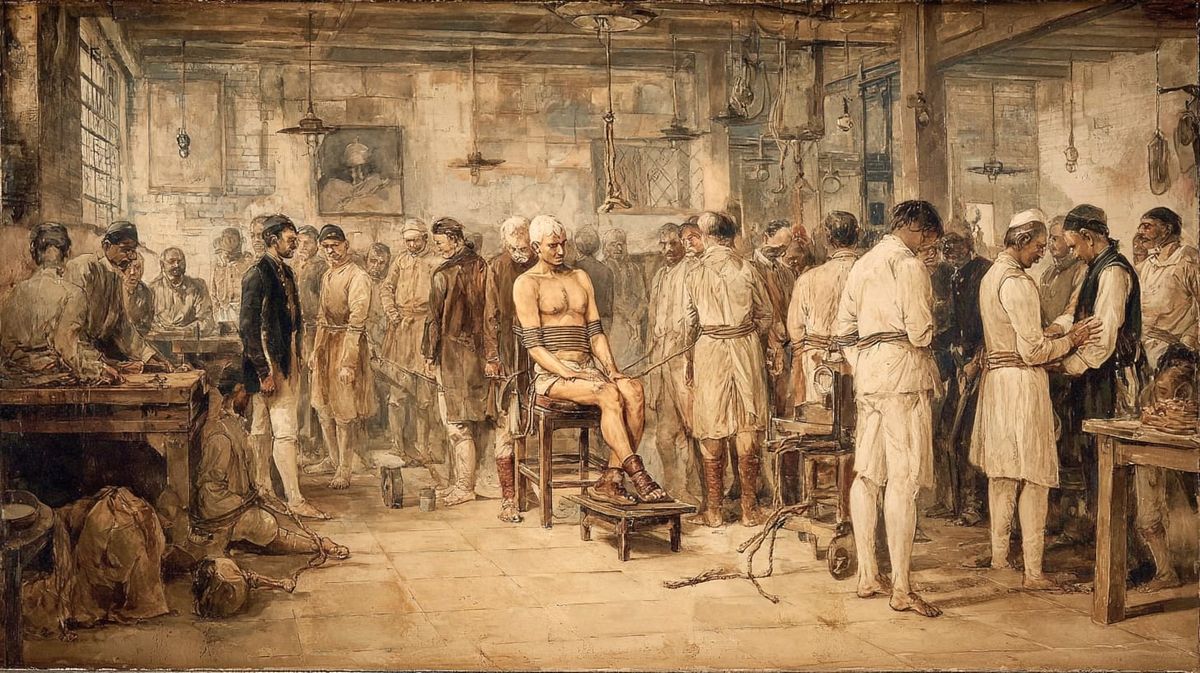
The story narrated in this essay series relates to one such clash that occurred in 1673 and dragged on till 1676. Ever since, it attained widespread notoriety as The Case of Raghu the Poddar in the annals of the EIC and in the public memory of Bengal. The story is instructive at multiple levels and has a contemporary touch to it.
Exploring this Header Element
Let's try this stuff
Background
In the 1660s, the nerve-center of the EIC was Fort St. George, Madras, although its forays in Bengal were gradually producing fruits. Aurangzeb had just taken power but Bengal was a torrid mess and he was in no hurry to fix it as long as its governors deposited money into his imperial treasury. They were fabulously corrupt, depraved and ran the province like their personal fiefdom, selling Farmans and demanding extortionate bribes from European traders.
In that decade, the Dutch VOC, although late to the game, made impressive inroads and became formidable competitors to the EIC.